
Observe the real process
Learn how meals, venues, volunteer roles, access needs, and decision channels work before proposing a solution.
Table & Town helps adults turn concern into a modest, respectful next step—without collecting personal stories, promising services, or turning community care into a score.
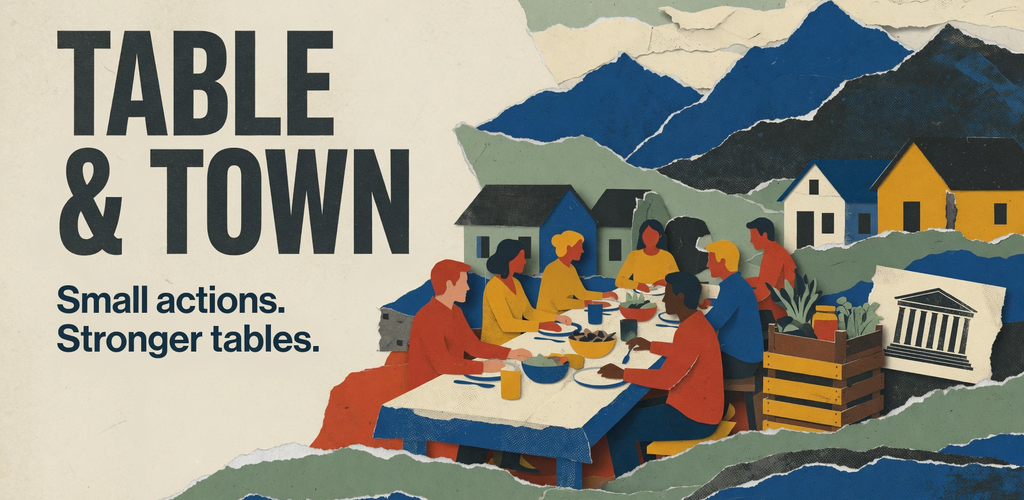 Private by design
This field guide is built for the space before a project begins: the questions, permissions, boundaries, and small decisions that help community action remain useful and dignified.
Learn how meals, venues, volunteer roles, access needs, and decision channels work before proposing a solution.
Separate an original educational idea from an official program, current event, partnership, benefit, or service promise.
Define a responsible owner, permission route, safety check, finish line, and closeout before inviting anyone else to join.
Each lane has seven modules. Readers can move in order or begin with the question closest to the work in front of them.
Observe meal access, household pressure, team workflows, and the difference between a fact and an assumption.
Think through thoughtful giving, choice, privacy, transport barriers, check-ins, and resource boundaries.
Prepare a useful question, listen to staff, map partners, define roles, and make civic participation accessible.
Clarify purpose, budget honestly, walk the venue, protect privacy, brief volunteers, and plan the closeout.
Review small-action formats, track work without ranking people, gather around a stronger table, and choose what comes next.
Every module includes a plain-language context note, three practical steps, a dignity reminder, and a boundary to verify before acting.
Table & Town stores only a few navigation and checklist choices on the device. There is no account, public profile, message feed, upload, or server sync.
Browse by lane, open a module, review its three steps, and mark it explored for your own reference.
Turn a broad concern into a specific question, a careful invitation, or a clearer boundary.
Keep a short, private board of module IDs. The app intentionally has no free-text field for names or personal circumstances.
Review permissions, purpose, food safety, accessibility, privacy, volunteer roles, backup plans, and closeout. Completion flags stay in Android private preferences.
Eight scenarios help adults ask, listen, verify, and follow up without turning a conversation into an intake or making an unsupported promise.
Community work moves between listening, careful giving, civic participation, safe hosting, and honest reflection.
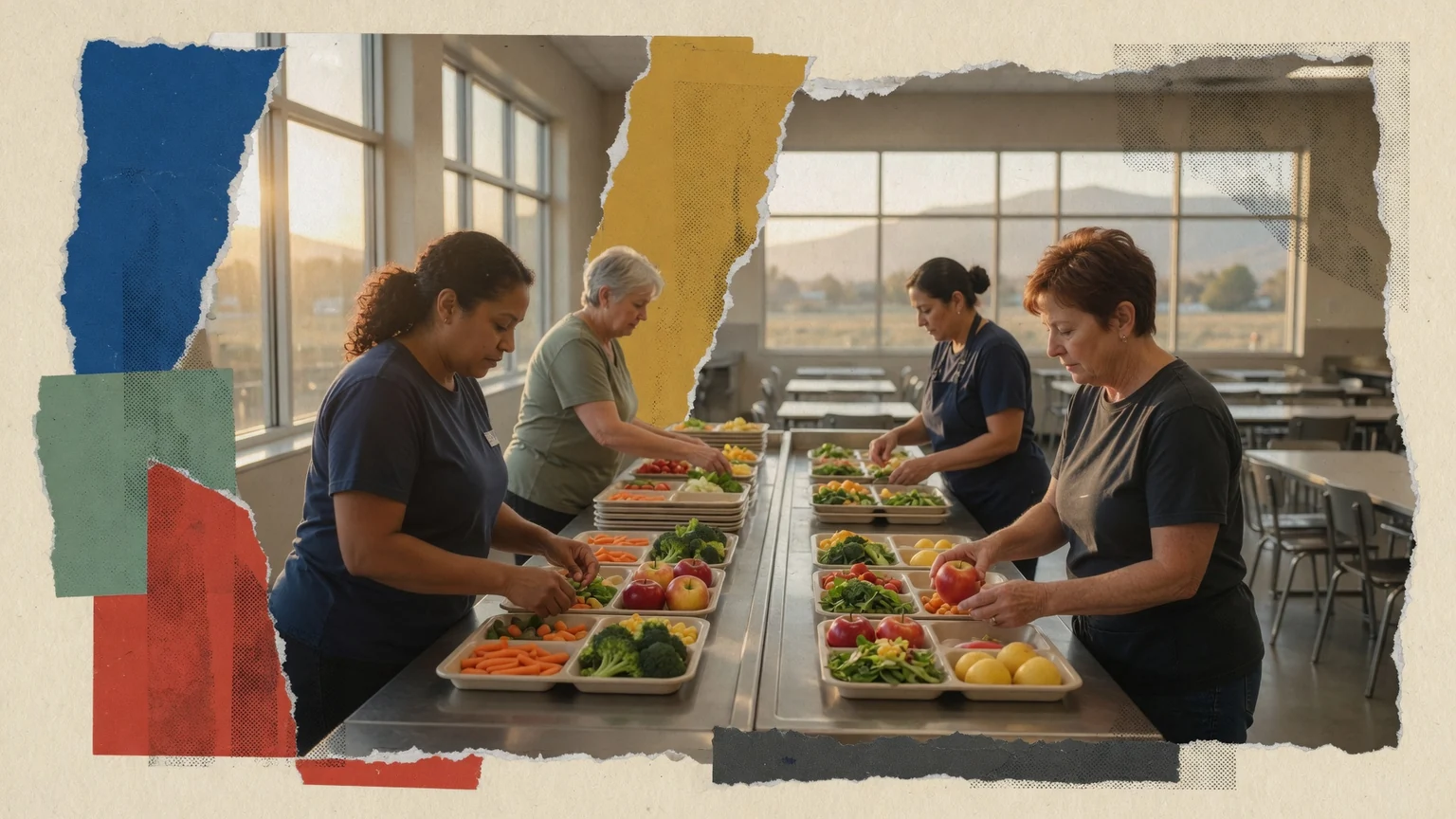
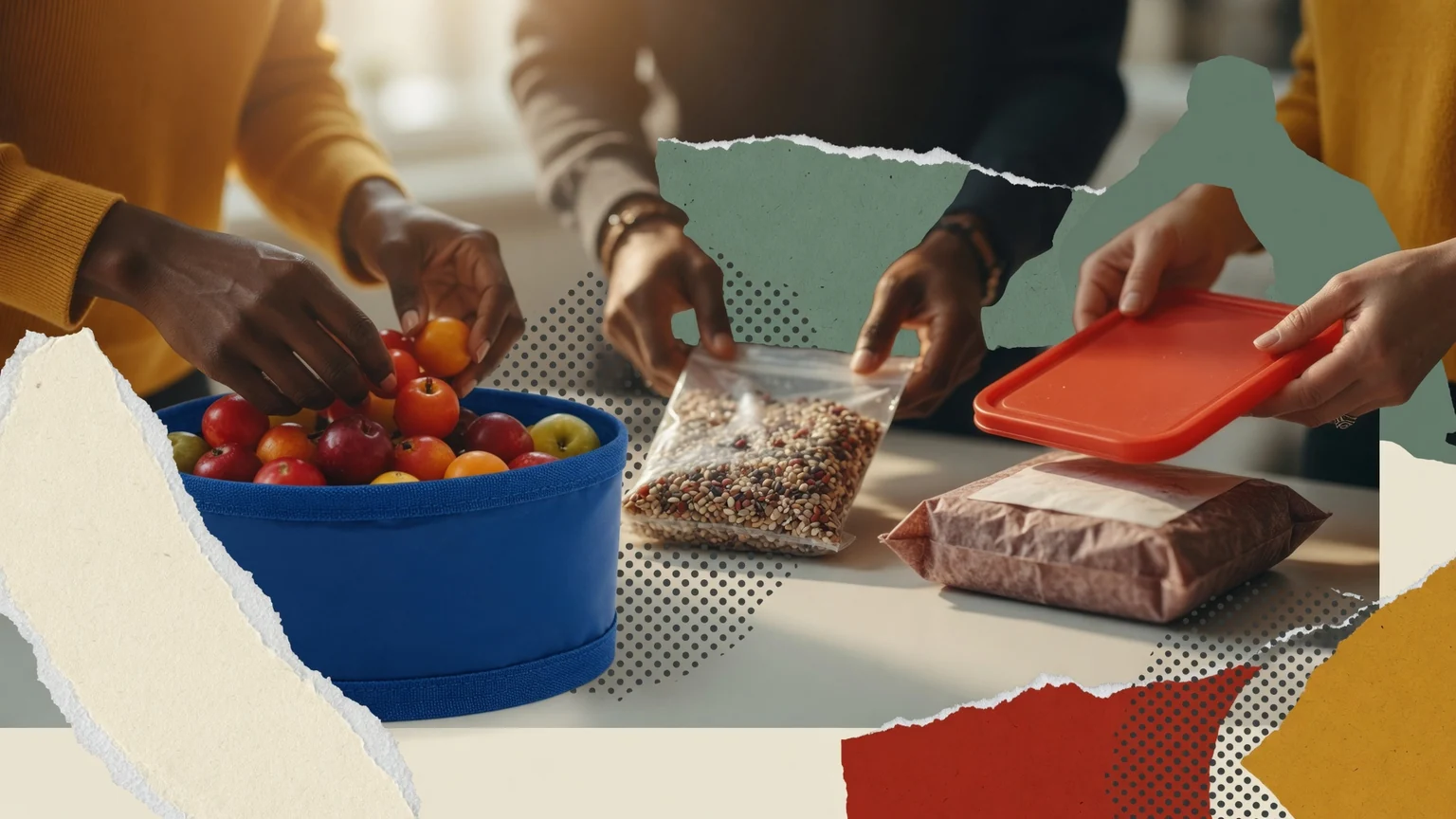
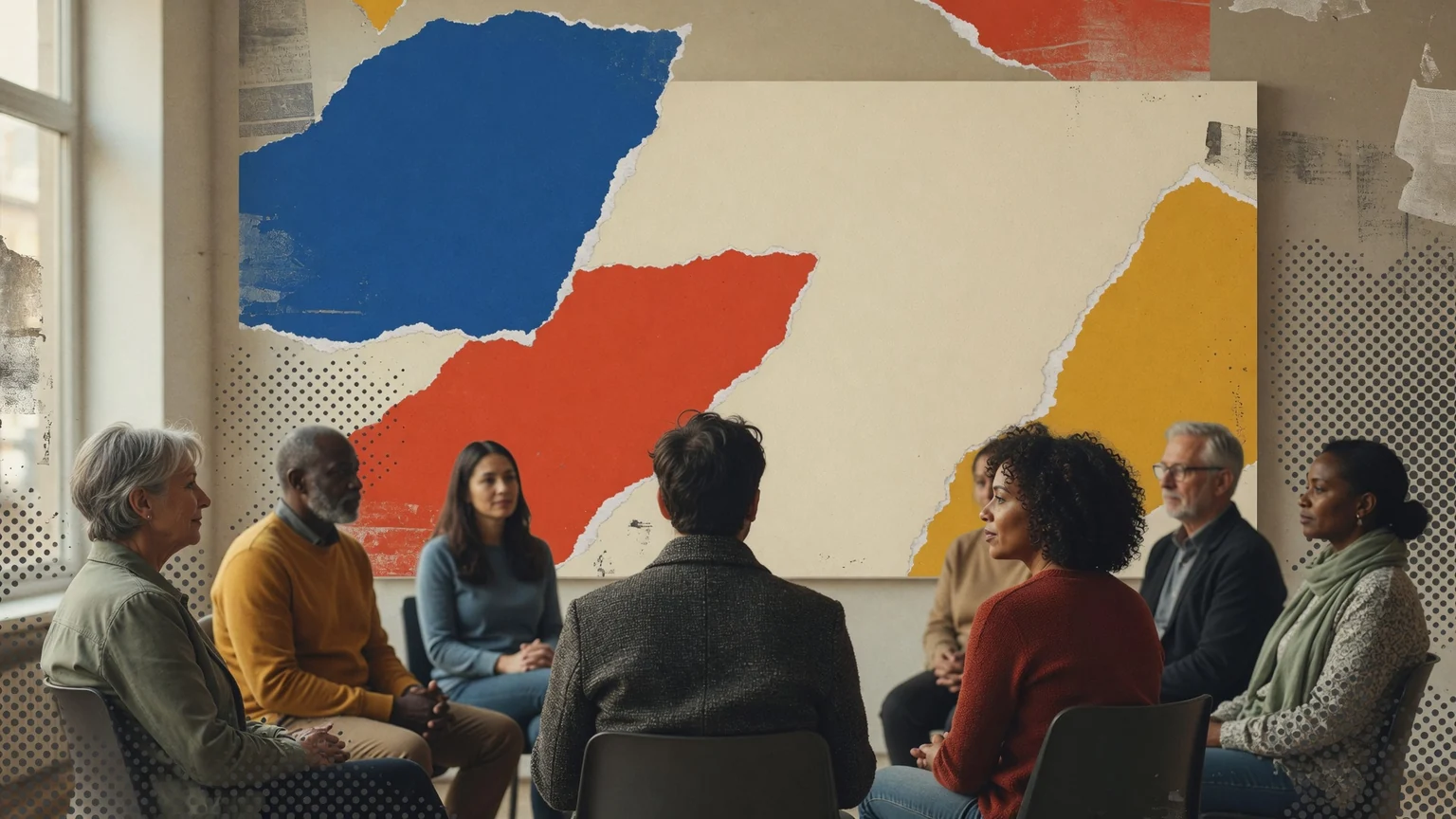
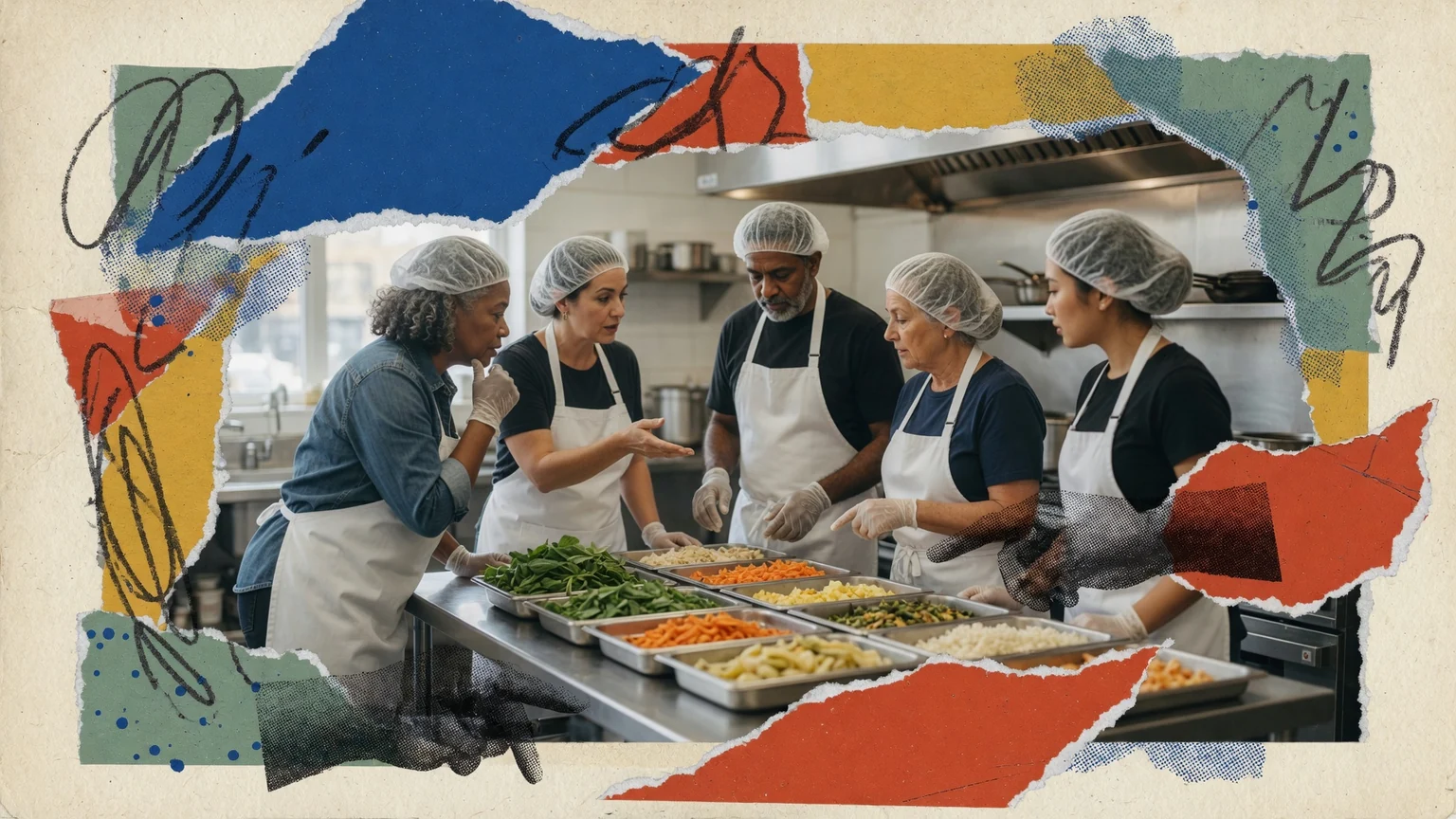

A meal, event, conversation, or volunteer project should not require someone to provide a personal story, appear in publicity, disclose a need, or prove that they deserve respect.
Table & Town is published by UTAH EMPOWERMENT INITIATIVE. Local reporting from 2024 described the organization in connection with student lunch debt, a Rockin' Ogden benefit concert, and community advocacy. Those reports provide background; they do not make every app module an official or current program.
The Source Shelf also links to USDA, CDC, and ADA.gov resources for general background. Each source is labeled with its purpose and review date so a reader can distinguish sourced context from original educational material.
Table & Town is designed to support a brief planning moment—not maximize screen time. Read one module, verify the real-world context, and choose a small action with a clear owner and honest limits.