
35 modules · 5 lanes · One practical next step
The route through the app

Read less. Notice more. Act carefully.

The field guide is a compact planning companion for adults. It helps a reader move from observation to a bounded next step without creating a record about another person.

Offline
On device
A three-part rhythm

Open. Check. Close the loop.

Every module follows the same readable structure. Start with the context so you understand why a well-intended action can create extra work or expose someone. Use the three steps as a planning prompt, then read the dignity note and boundary before acting.

  1. Open one relevant module. Choose the question closest to the real situation—not the most ambitious project.
  2. Check the responsible source. Ask the organization, venue, school, food lead, public body, or qualified professional that actually controls the decision.
  3. Close the loop. Name the owner, permission, stop condition, review point, and what will happen to any temporary material after the activity.
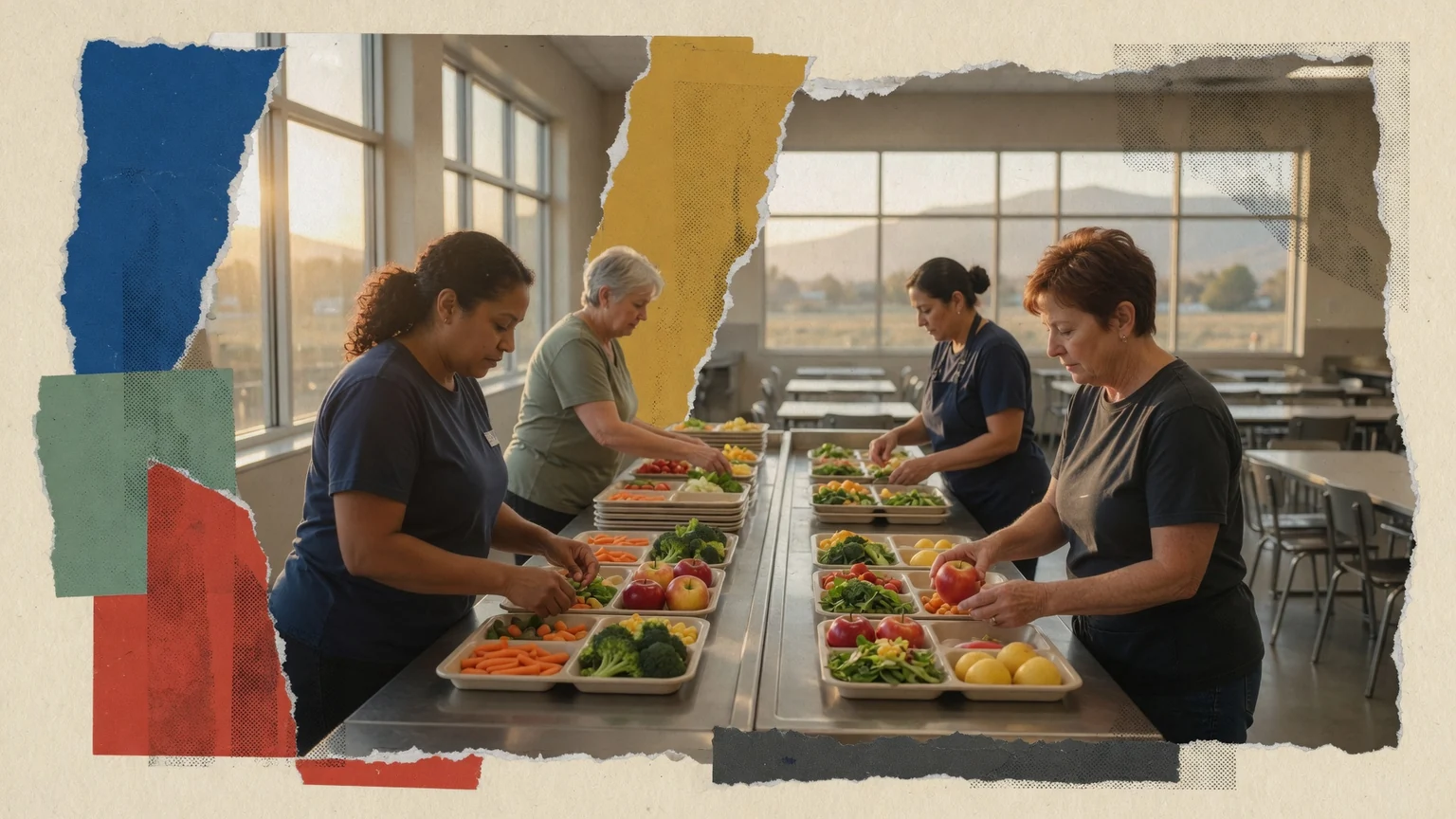
Adults preparing a school meal together while learning the practical workflow
Example: learn how the work is done before suggesting what the team should change.
The five lanes

Different doors into the same work

Each lane contains seven modules. The complete 35-title bulletin board is available on the home page.

SEE · 01–07

Learn the terrain

Observe access, workflow, timing, household pressure, and the voices already close to the work. The finish line is a better question, not a quick conclusion.

CARE · 08–14

Support without spotlighting

Plan practical giving around choice, privacy, transport, dietary information, and a clear distinction between connecting someone and promising a result.

MOBILIZE · 15–21

Invite with precision

Prepare civic comments, map a small partner circle, approach a business carefully, and define volunteer roles before recruiting.

HOST · 22–28

Build the conditions

Write the purpose, budget honestly, walk the venue, establish safe food handling, welcome without collecting names, and plan the closeout.

REFLECT · 29–35

Review without ranking

Consider several small-action formats, document the activity rather than the people, and decide whether to repeat, revise, hand off, or stop.

Supporting tools

Four ways to move a thought forward

The tools are deliberately constrained. They support a planning moment without asking for names, stories, accounts, uploads, or free-text notes.

Action Deck

One card at a time

Twelve cards turn vague momentum into a precise next move: listen, verify, invite, define, pause, make accessible, plan privacy, close out, and reflect. Swipe or tap through the deck; the current position stays only on the device.

Local Lift Board

A maximum of five module IDs

Pin up to five modules for a short personal route. The board stores only identifiers—not custom notes, names, locations, case details, or contact information. Remove an item when it is no longer useful.

Conversation Lab

Practice a respectful opening

Eight scenarios model how to ask a nutrition lead, prepare public comment, respond to a neighbor, discuss volunteer attendance, handle publicity requests, answer dietary questions, protect personal stories, and scale back an oversized promise.

Event Readiness

Check conditions, not people

The generic checklist covers permission, purpose, access, food safety, privacy, roles, truthful communication, backup plans, and closeout. Optional completion flags are not an event record or certification.

A sample module

Welcome without collecting names

A welcoming event does not automatically need a participant list. Begin with the real operational question: what decision would a name enable, who is authorized to hold it, and is an anonymous count enough?

THREE STEPS
  1. Separate welcome from any approved private administration.
  2. Use no names when the purpose can be met without them.
  3. Tell people clearly if another responsible party operates a necessary process.

Dignity note: Belonging should not depend on identification, a story, or a public expression of gratitude.

Boundary: Table & Town is not an attendance, eligibility, consent, or case-management system.

Before real-world action

Verify what the app cannot know

The app is static and offline. It cannot know whether a school currently accepts items, whether an event is approved, whether a resource has capacity, whether a venue meets a specific access need, or whether food is suitable for a person.

Always confirm current information with the responsible authority. For food handling, dietary needs, accessibility, legal questions, benefits, money, or emergencies, use the qualified source appropriate to the actual situation.

The guide's central rule

Track the action—not a person's hardship.

Use the app to remember a module or checklist step. Keep names, school records, assistance status, health details, dietary needs, financial circumstances, and personal stories out of it.